Reseller Inventory Management: How to Organize and Never Lose an Item
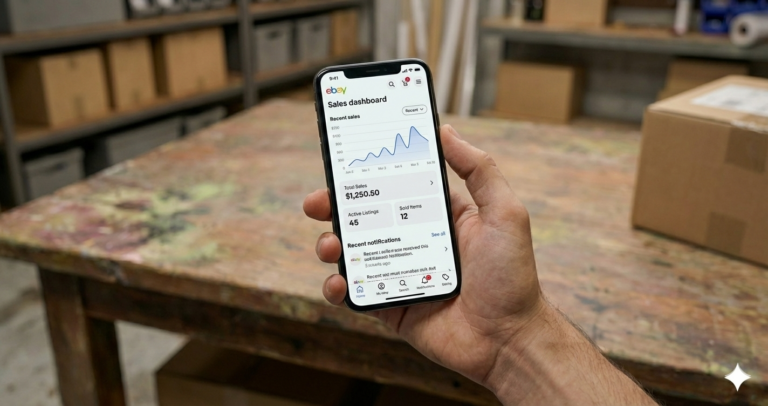
In the reselling business, listing an item is only half the battle. The second half is reseller inventory management. If you don’t have a reliable system to locate your items after they have been listed, it is only a matter of time until you sell something and realize you have no idea where it is. Searching for a missing item for 30 minutes isn’t just frustrating—it kills your hourly profit margin.
The Alpha-Numeric “Address” System
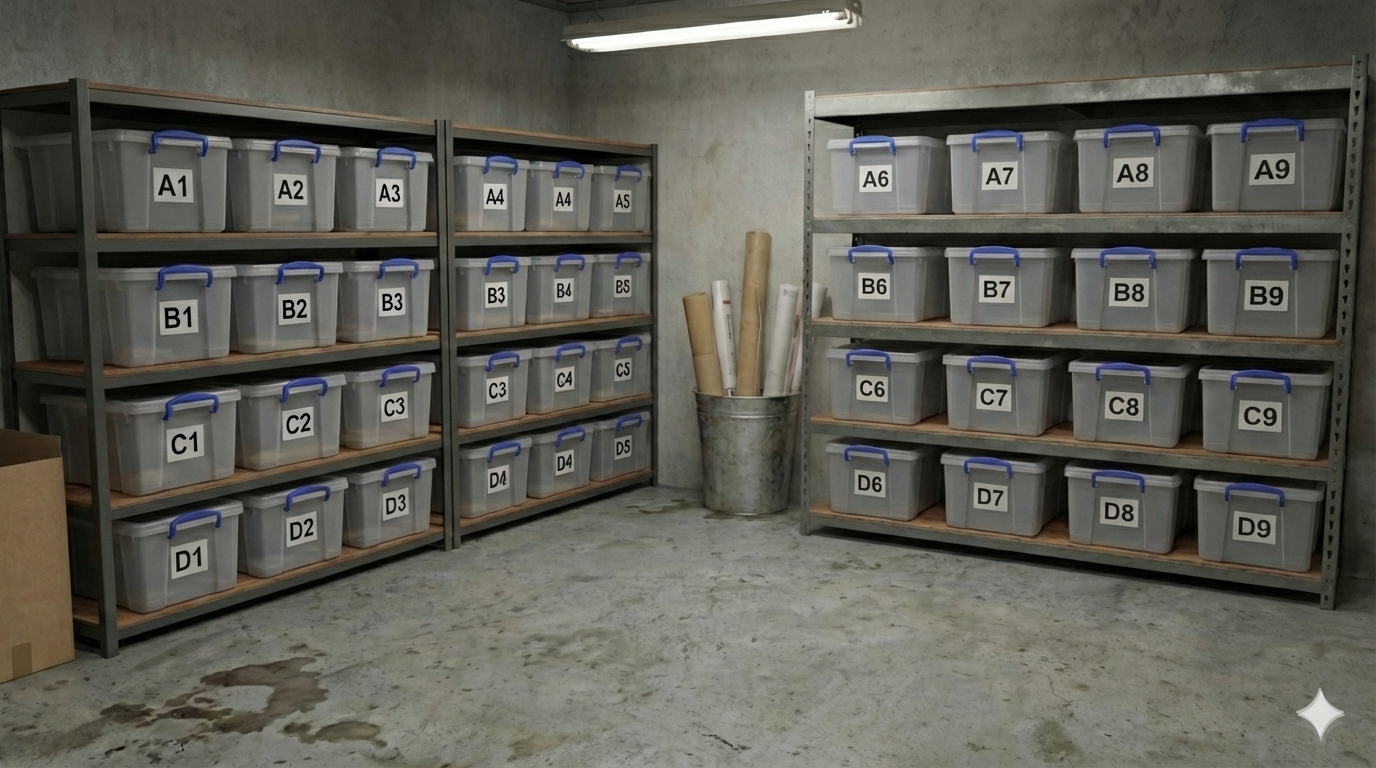
The most effective way to manage your stock is to give every item a physical “address” in your storage area. I recommend an Alpha-Numeric system that identifies exactly where an item sits. In my setup, I use heavy-duty wire racking with shelves, and each shelf is assigned a letter. Each bin on that shelf gets a number.
For example, a bin labeled A1 represents Shelf A, Bin 1. B2 represents Shelf B, Bin 2. This structure is infinitely scalable; as you add more racks, you simply move through the alphabet. When you finish listing an item, you immediately place it in a bin and record that location—like “A1″—directly into the Custom SKU field on eBay. When the item sells, your packing slip tells you exactly which bin to walk to.
Clear Bins vs. Opaque Storage
Hardware choice matters in reseller inventory management. While some people use cardboard boxes or solid colored totes, I swear by clear plastic bins. Being able to see inside the bin without opening it saves seconds on every pull. These bins should sit on heavy-duty wire racking, which provides better airflow and prevents dust buildup compared to solid wooden shelves.
Specific Strategies for Clothing
While “Bin-First” organization works for hard goods, clothing requires a slightly more granular approach. If you have 30 black t-shirts in Bin A1, finding the right one can still be a challenge. If you sell clothing, I recommend placing each garment in its own clear poly bag and numbering each bag individually. This “Individual SKU” method ensures that you grab the exact size and color every single time, preventing costly shipping errors.
Reseller Inventory FAQ
Do I need to put a SKU sticker on every single item?
Not necessarily. For most hard goods, knowing which bin the item is in (e.g., Bin B4) is sufficient. However, for items that look identical (like different sizes of the same shoe), individual labels are a best practice to avoid confusion.
Where do I put the SKU on eBay?
When you are creating or editing a listing, look for the “Custom SKU” field in the inventory section. This information is private to you and will not be seen by the buyer, but it will appear on your “Items Waiting to Ship” screen and your packing slips.
How often should I audit my inventory?
Even with a great reseller inventory management system, mistakes happen. I recommend doing a “Bin Audit” once a quarter. Pick a shelf and verify that every item in those bins is actually still active on eBay. This prevents “ghost inventory” and helps you identify items that might need to be repriced or ended.
What is the best way to label the bins?
Use a high-quality label maker or heavy-duty packing tape over a printed piece of paper. You want the labels to be bold and visible from across the room so you can navigate your storage area quickly.
Final Verdict: Order Leads to Growth
The goal of reseller inventory management is to make the “Find and Ship” part of your day as mindless as possible. By utilizing Alpha-Numeric addresses, wire racking, and the eBay Custom SKU field, you remove the stress of lost items. Build your system today so you have the room—and the sanity—to grow your business tomorrow.